The Craft and Care of Cashmere: A Comprehensive Guide to Understanding, Sourcing, and Maintaining Luxurious Fibers
An editorial tour through cashmere’s origins, ethics of sourcing, and the art of care that preserves loft, softness, and elegance across wardrobes and home textiles.
Cashmere has long been the whisper of luxury in the world of textiles. Its fabled softness, remarkable warmth, and lightness set it apart from ordinary wools. Yet, behind every coveted cashmere knit or scarf lies a lineage of goats, mills, and meticulous processing that demands respect. This guide embarks on a journey through what cashmere truly is, how it’s produced, and why ethical sourcing matters in the modern fashion and home sector. We’ll also share foundational care tips to extend the life of cashmere garments and textiles, so the loft and the hand remain pristine through countless seasons.
Across culture, industry, and design, cashmere is more than a material—it’s a story of craft, geography, and ethics. As you explore, we’ll introduce key figures who shaped the fiber’s trajectory across time, from ancient trade routes to contemporary textile science.
What is cashmere? The fiber, the goats, and the making
Cashmere is not merely a luxury; it is the undercoat of specific cashmere goats found in the high plateaus of Asia. Unlike ordinary wool, cashmere fibers are extremely fine, soft, and insulating, thanks to their hollow core and fine scale structure. The process from raw fleece to a finished garment involves:
- Shearing and careful collection to preserve fiber length and quality.
- Ginning, scouring, and combing to separate the cashmere from coarser fibers.
- Spinning into yarn with attention to fiber continuity, strength, and ply counts.
- Weaving or knitting into fabrics that balance drape, warmth, and softness.
- Finishing steps such as fulling, light brushing, and garment-dyeing that influence texture and hand feel.
What differentiates cashmere from other wools is not merely feel but also performance: high warmth-to-weight ratio, breathability, and a柔 softness that remains elegant for years when cared for properly.
Sourcing and ethics: transparency, certification, and regional craft
In a global market, where luxury is rapidly commodified, ethical sourcing becomes both a necessity and an opportunity for deeper storytelling. Ethical sourcing of cashmere involves transparent supply chains, humane practices in herding and grooming, and fair labor standards across mills and workshops. Certifications to look for include credible wool and fiber standards that verify responsible farming, traceability, and environmental stewardship.
Regions with historical, cultural ties to cashmere—such as Mongolia, Nepal, Inner Mongolia, and parts of China and Central Asia—offer traditional methods alongside modern innovations. These centers of production have built reputations on long-standing relationships with shepherd communities, cooperative mills, and a collective approach to quality control. When evaluating suppliers, consider:
- Traceability: can the producer trace the fiber back to a specific herd and location?
- Animal welfare: are animals treated with care, and are shearing practices humane?
- Labor standards: are workers compensated fairly, with safe working conditions?
- Environmental impact: what water, energy, and chemical use are involved in processing?
- Sustainability of supply: is the fiber sourced to minimize ecological disruption and ensure long-term viability?
Care essentials: washing, storage, and longevity
Cashmere deserves gentle handling. Proper care preserves loft, softness, and resilience, ensuring that each piece remains light as a feather while still offering warmth. Key care guidelines include:
- Washing: hand wash or use a delicately gentle cycle with cold water and a mild detergent designed for delicate fibers. Avoid agitation that can pill or felt the fabric.
- Drying: lay flat to dry, reshaping as needed. Avoid wringing or hanging cashmere while wet, which can stretch fibers.
- Storage: clean and dry before storing; keep in a breathable cotton bag or wrap to protect from moths. Avoid plastic, which traps moisture and can affect fibers.
- Pilling: pilling is natural with cashmere. Use a fabric shaver or gentle combing to maintain smoothness without injuring fibers.
- Perfume and oils: apply fragrances away from cashmere as essential oils can degrade the fibers over time.
Regular care rituals—like brushing the fabric with a soft garment brush after wear and addressing any spots promptly—preserve the integrity of cashmere while maintaining its signature softness and drape.
A brief lineage: three key individuals who shaped cashmere’s story
Aldo Bianchi (15th–16th centuries)
A figure anchored in early trade networks, Aldo contributed to the diffusion of luxury textiles along the Silk Road corridors, where fiber knowledge began to cross cultural boundaries. His work represents the era when cashmere and other fine wools began to intrigue European markets, setting the stage for later industrial refinement.
Ning Zhu (19th–20th centuries)
A textile scientist and innovator, Ning Zhu advanced textile chemistry, focusing on fiber blending, combing efficiency, and spun yarn quality. Her work helped push cashmere toward consistent hand feel and durability, bridging artisanal craft and early industrial process control.
Marco Sforza (20th–21st centuries)
A modern curator of textile heritage, Marco championed global transparency in sourcing and helped elevate craftsmanship as a cultural and economic narrative. His advocacy for storytelling through fiber provenance has influenced contemporary brands to share more about mills, artisans, and ethical practices.
A Vogue-worthy view of cashmere today
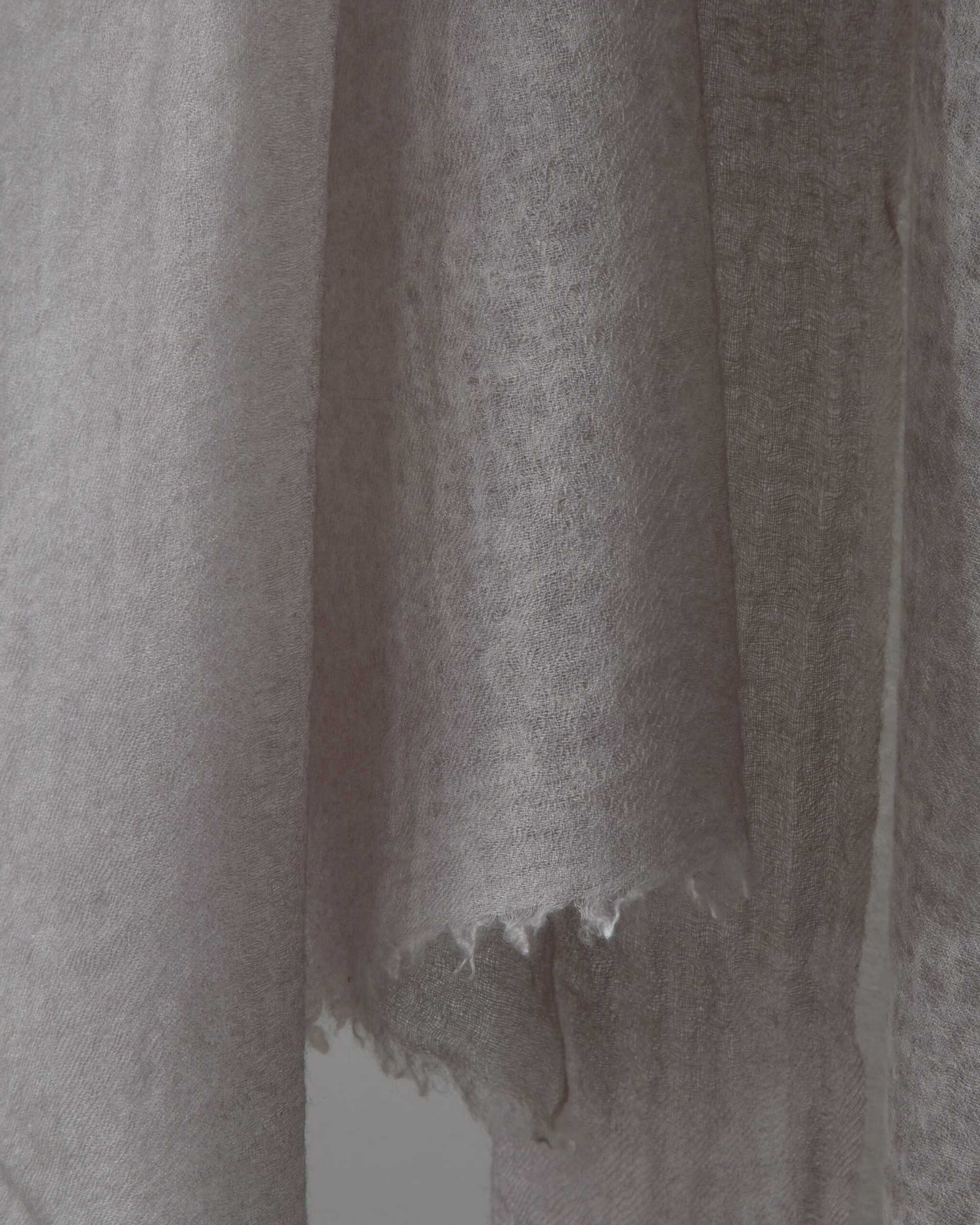
In today’s fashion and home landscape, cashmere remains an emblem of refinement. A single Pal Twill Scarf, crafted from extra-fine cashmere with hand-spray dyeing, embodies the intersection of luxury texture and artisan technique. The garment-dyeing process yields pastel tones and a felted finish that reads as both casual and couture ready. This is the kind of piece that moves—softly—between city strolls and intimate evenings, a textile poem in motion.
Pal Twill Scarf
100% cashmere scarf with a delicate felted finish and unique pastel hues derived from garment-dyeing. Lightweight, drapey, and irresistibly soft.
Images accompany the Pal Twill Scarf—visuals of the scarf’s texture, color variations, and the way the dyeing technique renders the fabric’s surface. While the scarf is a striking example, the larger philosophy remains the same: ethical sourcing, careful processing, and a respectful approach to maintenance that honors the fiber’s luxury while keeping it accessible for daily wear and cherished occasions.
The journey from fiber to fashion: a practical roadmap
The classic cashmere journey begins with the shepherd’s hands, passes through mills that filter, card, and spin, and ends in wardrobes and homes that treasure the fabric’s poise. For readers who aspire to build a responsible capsule, a few strategic steps can anchor your decisions:
- Educate yourself about fiber content and certifications. Look for transparent labeling that speaks to the integrity of the supply chain.
- Choose timeless designs with high-quality construction. Cashmere is forgiving but requires attention to stitch density, edging, and finish to retain shape and sheen.
- Prefer brands that emphasize storytelling—mills, artisans, and regional centers—over transient trends.
- Adopt a thoughtful care routine that aligns with the fabric’s needs, protecting loft and softness for years to come.
A curated reference for cashmere enthusiasts
To deepen your understanding, consider building a small library of reliable resources: technical glossaries, textile chemistry primers, and case studies from museums and universities that illuminate material science, fiber testing, and sustainable practices. The goal is depth without dogma—an educational backbone that supports curious readers, students, and professionals alike.
Shop-worthy, but walk the talk: product spotlight
Pal Twill Scarf — 100% Cashmere
Extra-fine cashmere scarf with hand-spray dyeing for unique, soft color and a felted finish that enhances everyday luxury. Lightweight, breathable, and endlessly versatile.
Brand: Society Limonta
SKU: 6824
Price: $295.00
Images are provided for reference: Pal Twill Scarf gallery showcases pastel tones and garment-dye textures crafted from cashmere.
Conclusion: a luxurious dialogue between ethics, craft, and care
Cashmere’s allure endures because it is more than a fabric—it is a moral and cultural conversation that travels across continents, epochs, and fashion cycles. By prioritizing ethical sourcing, supporting artisan mills, and embracing mindful care routines, readers can participate in a modern narrative of luxury that respects both the people who steward the fibers and the planet they inhabit. This editorial guide is a compass for navigating a world where quality, history, and responsibility converge, inviting you to curate a wardrobe and home that feel premium not just in sensation, but in conscience.